Introduction
It is no secret that Russian manicure is very popular today in the USA, Canada and Europe. Even though the price for the service is usually higher, and it is harder and takes longer to perform, this technique remains one of the most in-demand — both among clients and among nail technicians.
Let’s take a closer look at what “Russian manicure” is, why it is considered one of the best techniques in the industry and why every ambitious nail tech working with clients in the USA and all over the world sooner or later comes to this format of work.
What Is a Russian Manicure?
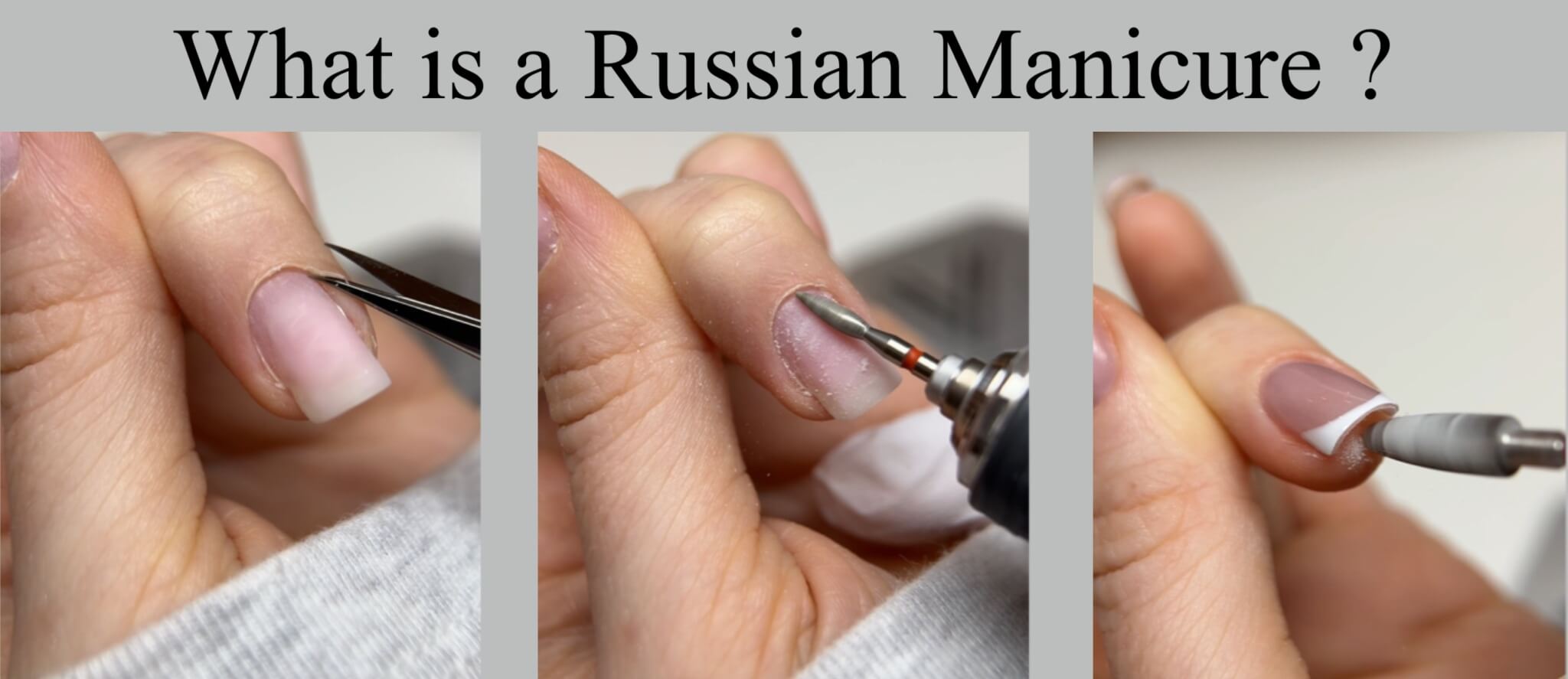
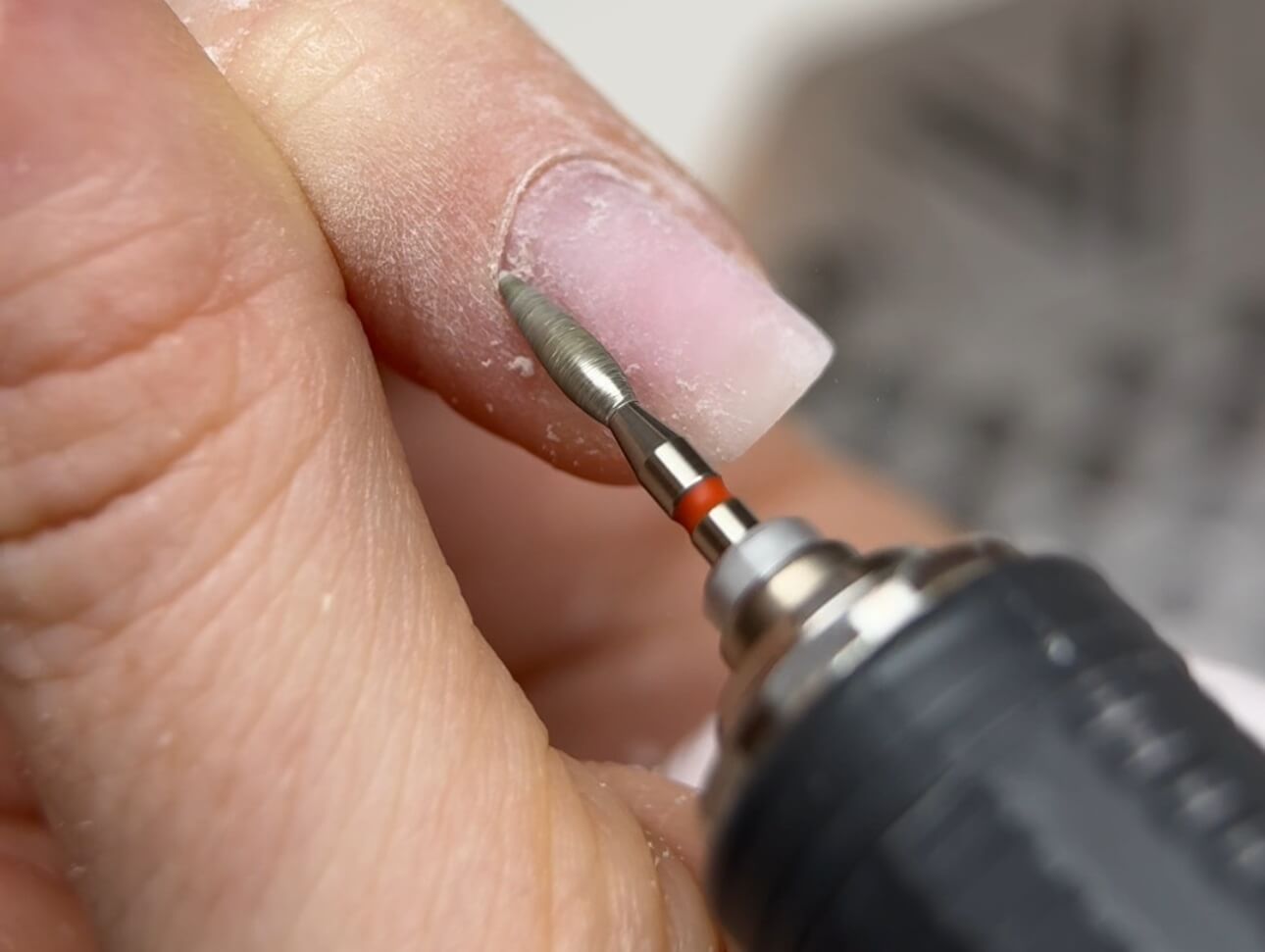
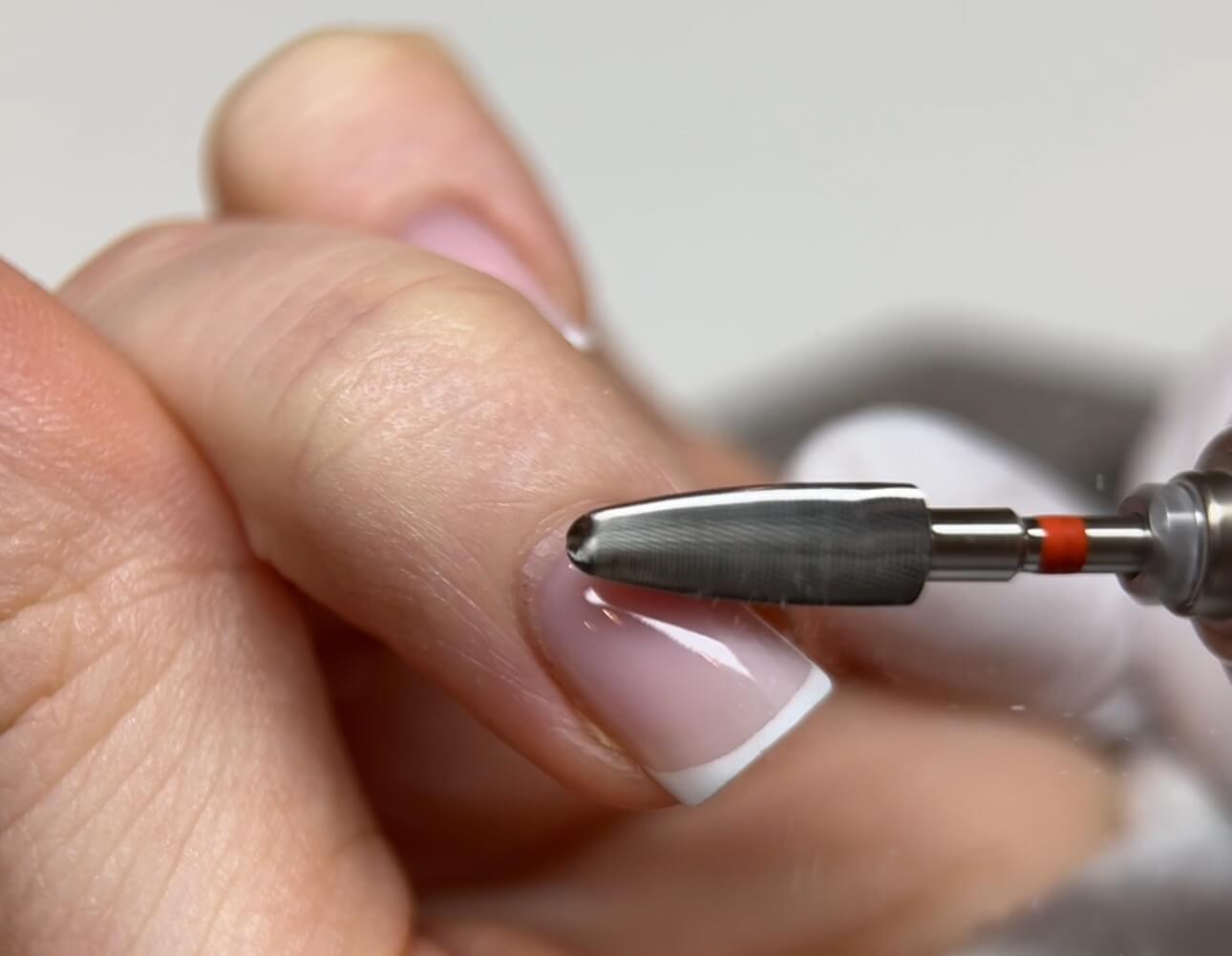
Russian manicure (also known as Slavic manicure or dry manicure) is a technique of e-file manicure (only bits are used) or combined manicure (bits plus scissors), which involves deeper cuticle work and buffing of the sidewalls.
Unlike the classic method, water soaks are completely excluded here. The tech works “dry”, using an electric file (e-file) with diamond bits to gently lift the cuticle and clean the pterygium (a thin film of skin growing onto the nail plate).
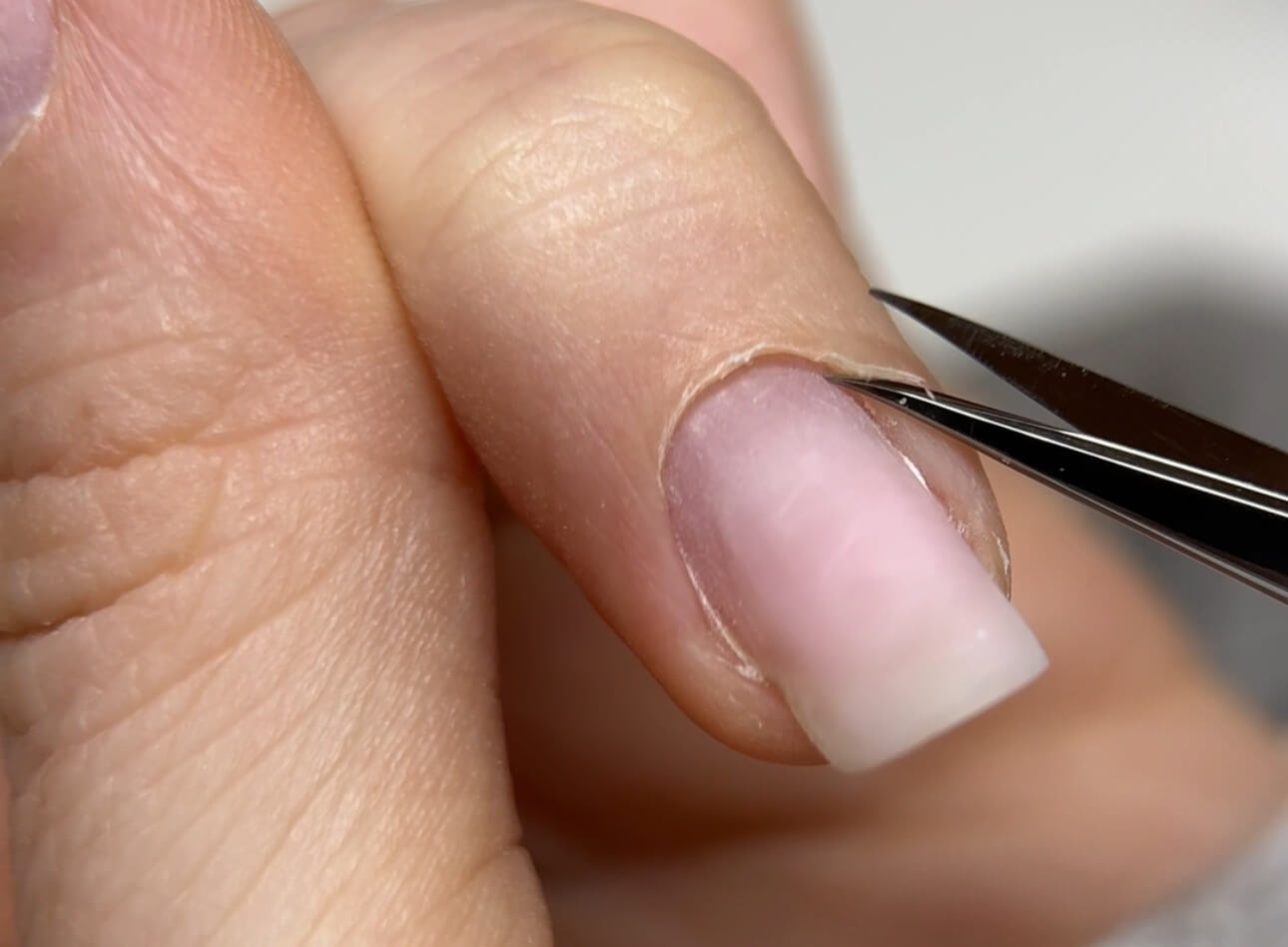
After the cleaning, the cuticle is removed in one of two ways:
- E-file method: the cuticle is cut with a ball bit.
- Combined method: the cuticle is cut with scissors or nippers.
Why Is It Called “Russian Manicure”
The name “Russian Manicure” became established in the USA and Europe for several reasons:
- the technique was developed and refined by nail techs from CIS countries;
- Slavic nail techs were the ones who actively promoted dry manicure in the USA, Canada, Europe and other countries;
- the visual style of work by nail techs from Russia and Ukraine became easily recognizable: very clean cuticle, smooth architecture and a neat product line.
That is why in the international community this technique is known as “Russian Manicure”, and today this term is used by both clients and nail techs all over the world.
Key Differences of Russian Manicure
Let’s summarize the key features of the Russian manicure technique:
- careful cuticle work with bits;
- buffing the underside and side sinuses;
- leveling the nail plate using base gels or hard gels when needed;
- an ultra-thin, neat product line in the cuticle area;
- visual extension of the nail bed;
- “under-the-cuticle” application with no visible gap.
This exact combination creates the “expensive”, neat and clean look of the nails, which is hard to achieve within a regular classic manicure.
Benefits of Russian Manicure
For Clients
1. Aesthetics and beauty
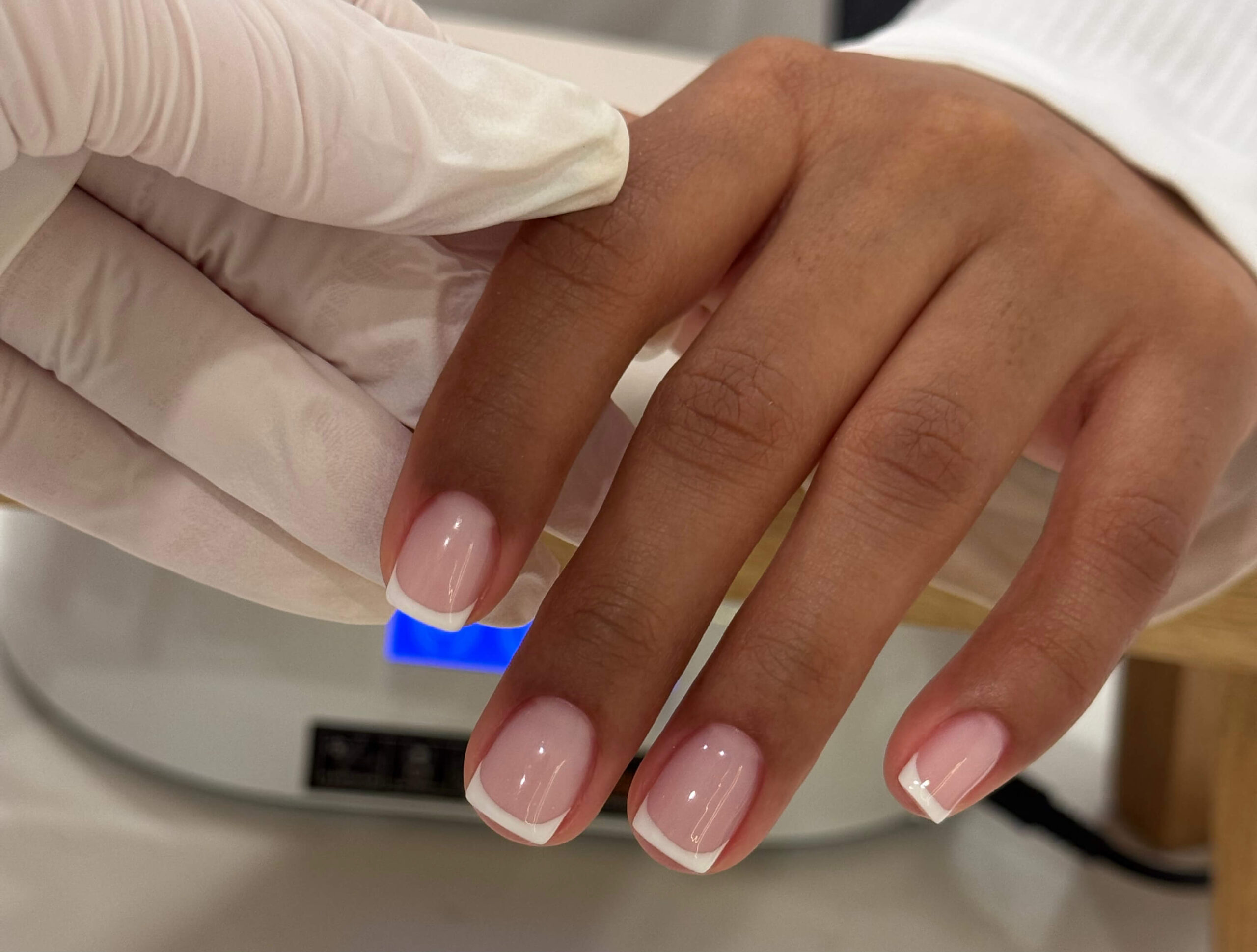
The nails look beautiful, natural and expensive. A smooth nail plate, a thin cuticle line, no hangnails and no “heavy” edge of product — all of this visually makes the hands look more well-groomed and tidy.
2. Long-lasting wear
With proper prep and technique, Russian manicure allows clients to wear their coating for 3–4 weeks. The coating lifts and chips less, and the grown-out cuticle looks much neater than after a regular manicure.
For Nail Techs
1. Higher ticket and income growth
In the vast majority of cases, nail techs who work in the Russian manicure technique earn 2.5–3 times more than those who keep working in the standard “salon” technique.
Reasons:
- the service is more complex and requires skill and experience;
- the result is more pronounced and noticeable;
- clients see the difference and are ready to pay for quality and durability.
2. Luxury clientele
About 90% of salons in the USA still work with classic systems. Russian manicure automatically makes the nail tech stand out from the majority.
Such nail techs attract:
- more solvent clients;
- people who leave good tips;
- clients who actively recommend their nail tech to friends and colleagues.
This means not only higher income, but also a completely different level of environment and connections.
3. Better content for social media
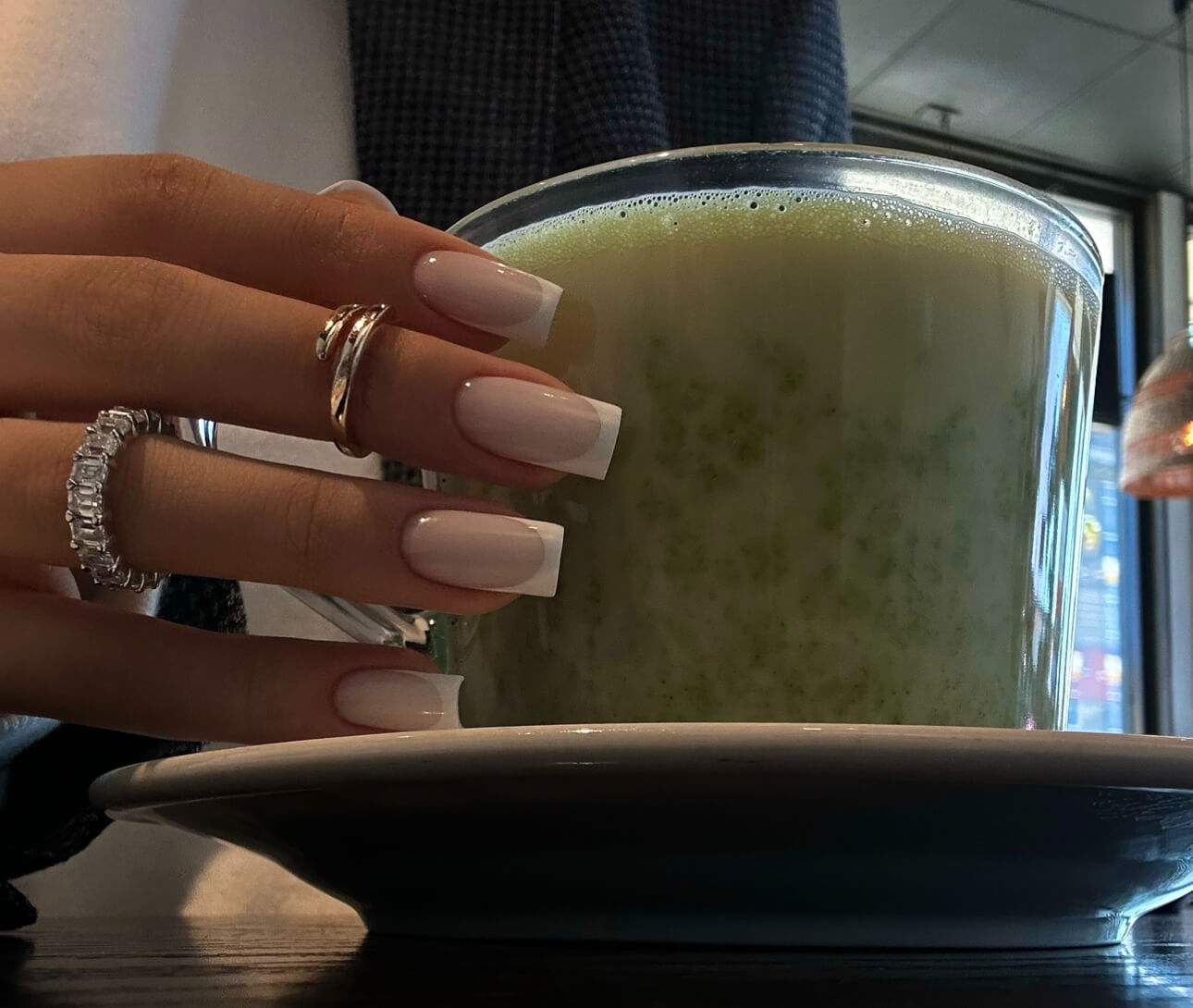
Photos and videos in the Russian manicure style get noticeably more views, saves and reactions.
Clean cuticle, smooth architecture, under-the-cuticle application — all of this is perfect for:
- Instagram Reels,
- TikTok,
- YouTube Shorts.
People are happy to share such videos, which means:
- new clients without additional advertising,
- growth of the nail tech’s personal brand,
- a faster transition to the premium segment.
It is no surprise that many nail techs in the USA switch to this technique: in the world of social media, Russian manicure literally sells itself.
Drawbacks of Russian Manicure
For Clients
There are no real drawbacks. It is an absolute win-win story. Yes, the procedure costs more and takes longer. But the client still benefits: regular manicure needs to be refreshed often, while Russian manicure is done once a month. In total, the costs are the same (or even lower), and the time spent traveling to the salon is cut in half.
For Nail Techs
There are certain challenges here that you need to be ready for.
1. Learning curve
It is harder to learn this technique; it requires more practice than classic manicure. Finding a competent educator can also be difficult.
2. Higher responsibility
You must work extremely carefully, especially in the sensitive cuticle area, to avoid injuring the client. You are also obligated to take disinfection and sterilization of instruments very seriously. This is a crucial part of the process, hidden from the client’s eyes but critical for their health.
3. Initial investment
You will need a quality e-file (cheap analogues will not cope), good bits, sharp scissors, a professional dust collector and sterilization equipment.
Summary
In reality, this cannot be called full-fledged drawbacks. It is rather stages of growth and an investment in yourself and your business. The main equipment you buy will serve you for years. And the patience and time spent on training will allow you to stay ahead of competitors for many years and provide you with high, stable profit.
The images and examples used in this article are based on real work by Vikki Swan, an international nail educator and Russian Manicure specialist.